
Why Acworth Homeowners Replace Water Heaters 20% Faster (And How to Stop It)
If you live in Acworth, GA, you likely love the proximity to Lake Allatoona and the beautiful, wooded landscapes of North Cobb. However, there is a hidden culprit lurking in your home's utility closet. Local data and service trends suggest that homeowners in the 30101 and 30102 zip codes are replacing their water heaters up to 20% faster than the national average.
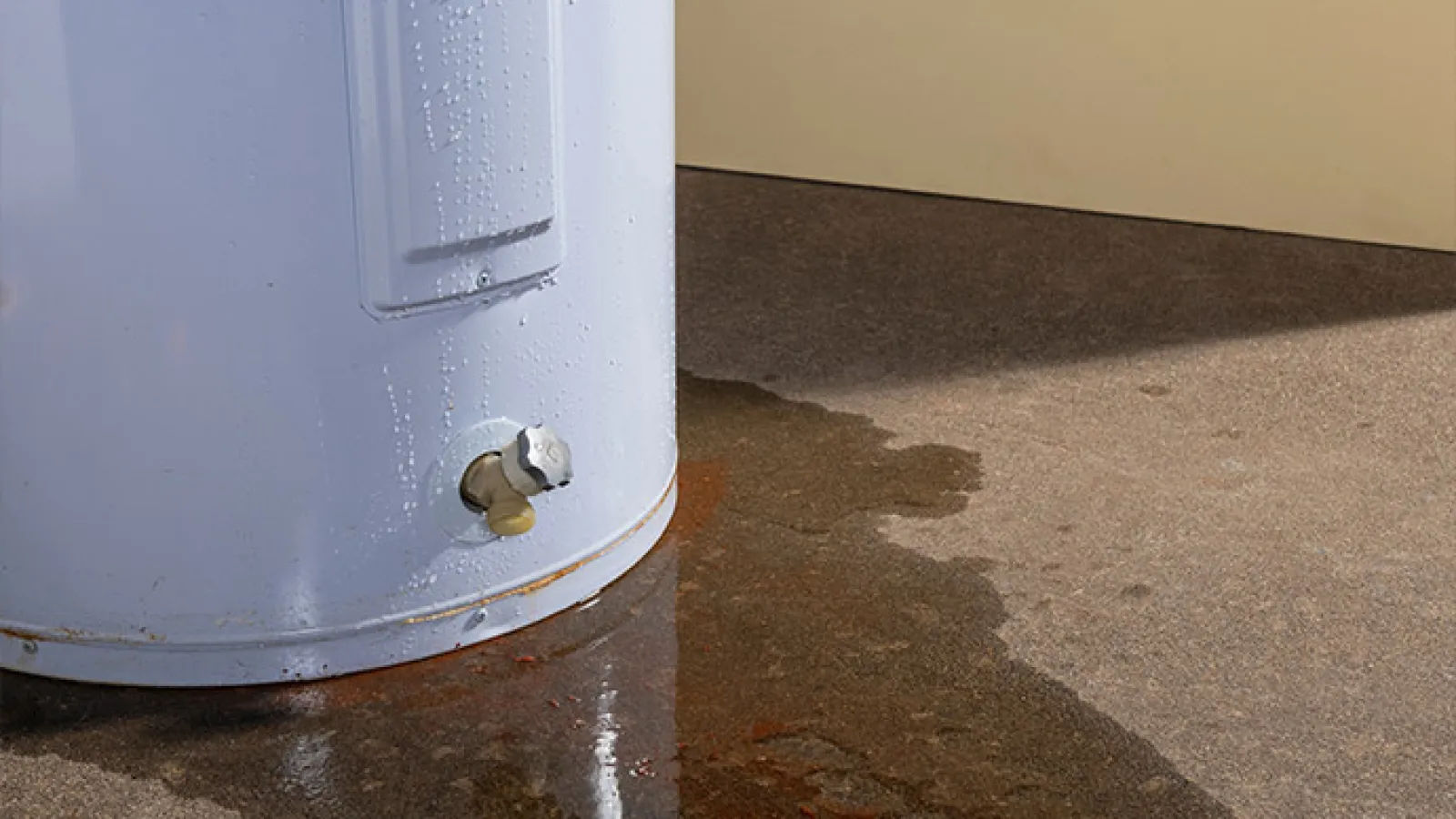
While a standard tank water heater should last 10 to 12 years, many Acworth residents find themselves facing leaks, cold showers, or total tank failure by year seven or eight. At Guardian Home Experts, we've identified the three local factors causing this "early retirement" for your appliances—and more importantly, how the Knight Code of maintenance can save you thousands.
1. The "Red Clay" Sediment Trap
North Georgia is famous for its red clay. While beautiful on a hiking trail at Red Top Mountain, the minerals and micro-sediments found in our local soil often find their way into the municipal water supply in trace amounts. Over time, these heavy minerals settle at the bottom of your water heater tank.
This creates a "sludge" layer that acts as an insulator between the burner (or heating element) and the water. Your heater has to work twice as hard and run much hotter to pierce through that mud, eventually causing the tank's glass lining to crack under the thermal stress.
2. Fluctuating Water Pressure near Lake Allatoona
The rolling hills of Acworth mean that water pressure can vary significantly depending on your elevation. Homes located at the bottom of a hill often deal with high "static" pressure. When water is heated, it expands (thermal expansion). If your home lacks a proper expansion tank or if your pressure-reducing valve (PRV) has failed, this constant "breathing" of the tank weakens the steel welds, leading to a catastrophic burst.
3. The "Hidden" Corrosive Chemistry
While Acworth's water is treated to high standards, the specific pH levels and mineral content in the Piedmont region can be aggressive toward the anode rod inside your heater. The anode rod is a "sacrificial" piece of magnesium or aluminum designed to rust so your tank doesn't. Because of our local water chemistry, these rods often dissolve in under three years. Once the rod is gone, the water starts eating your tank.
How to Stop the Clock: The Guardian Solution
You don't have to accept a shortened lifespan for your water heater. Here is how you can protect your investment:
The Annual Flush-and-Fill
Once a year, you should have a professional perform a high-pressure flush of your tank. This removes the "Acworth Sludge" before it hardens into a kalk-like scale. This simple step can add 3-5 years back to the life of your unit.
Anode Rod Inspection
We recommend checking your sacrificial anode rod every 2-3 years. Replacing a $50 rod is significantly cheaper than replacing a $1,500 tank.
Thermal Expansion Protection
Ensure your home has a functioning expansion tank. This small "helper" tank absorbs the pressure spikes that occur during the heating cycle, taking the physical bridge off your main unit.
The Knight's Promise
At Guardian Home Experts, we don't just "swap boxes." We look at the science of your home. Whether you are in a classic home near Main Street or a newer build in Bentwater, our technicians—your "Knights in Shining Armor"—provide transparent, upfront solutions to keep your water hot and your repair bills low.
Don't wait for a flood in your basement to take action.