
Most homeowners don't think about the pipes behind their walls until something goes wrong. Faucets may work, toilets flush, and the water pressure seems fine—so why worry about the plumbing?
The problem is that aging plumbing can deteriorate long before you see an active leak.
At Guardian Home Experts, our plumbers help homeowners throughout Cobb County, Marietta, Kennesaw, Acworth, Smyrna, and surrounding Metro Atlanta communities identify aging pipes, hidden leaks, and other plumbing concerns before they become major emergencies.
So, how do you know if your home's plumbing needs updating? Here are some warning signs you shouldn't ignore.
How Old Is Your Home's Plumbing?
One of the first things to consider is the age and type of plumbing in your home.
Different piping materials have different service lives, and age alone doesn't necessarily mean your home needs to be repiped. However, older plumbing deserves closer attention—especially when you begin seeing leaks, corrosion, water stains, pressure changes, or repeated repairs.
A professional whole-home plumbing inspection can help identify the type and condition of your pipes and determine whether you have isolated problems or signs of a larger plumbing issue.
Watch for Water Stains—Even If They're Dry
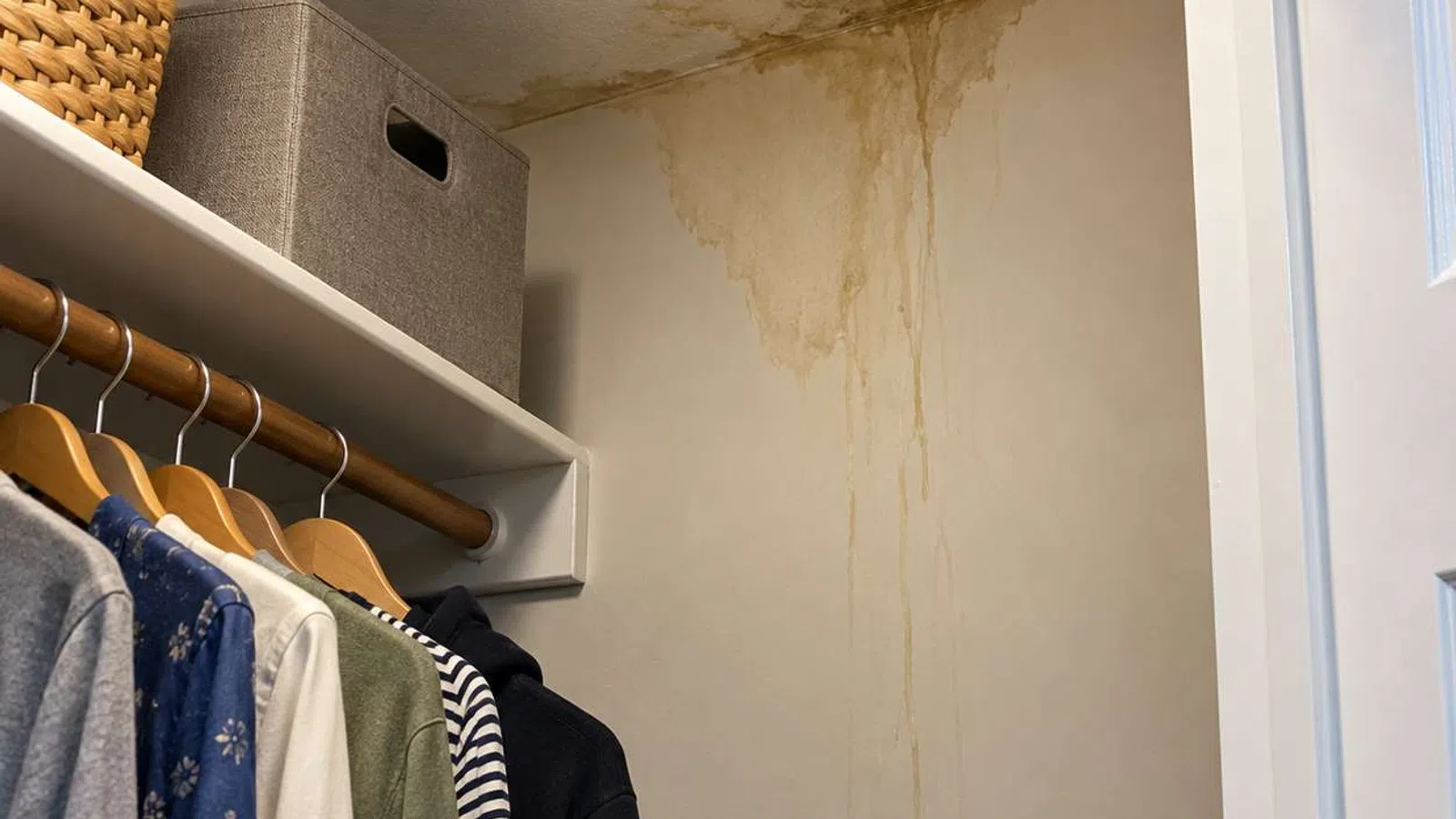
A water stain on a ceiling, wall, cabinet, or closet shouldn't automatically be dismissed simply because it isn't wet today.
It may be evidence of a previous or intermittent plumbing leak.
We've seen how easy it is for homeowners to assume an old-looking stain means an old problem. But pipes can develop slow leaks that appear intermittently before becoming much more serious.
A Situation We Commonly See
Consider this representative example based on the kinds of situations homeowners can encounter.
A Guardian customer had lived in their home for years but had never had the home's plumbing inspected. Eventually, they noticed discoloration and older-looking water stains on a closet wall.
Nothing felt wet. There was no water on the floor. Because there didn't appear to be an active plumbing leak, it didn't seem urgent.
Behind the wall, however, the aging copper piping had begun developing problems.
Eventually, the situation changed dramatically. Multiple leaks developed in the aged piping, allowing water to damage portions of the walls and flooring. What could have prompted an earlier plumbing inspection had now become an emergency plumbing situation requiring repairs and water-damage remediation.
Guardian's plumbers were able to address the plumbing problems and help facilitate the remediation process so the homeowner could begin getting the affected areas of the home restored.
It's an important lesson: no visible water doesn't necessarily mean there's no plumbing problem.
What Are the Signs Your Plumbing May Need Updating?
Your home may be telling you that it's time for a plumbing inspection. Warning signs can include:
- Water stains or unexplained discoloration on walls and ceilings
- Recurring or multiple plumbing leaks
- Visible corrosion on exposed pipes
- Changes in water pressure
- Discolored or rusty-looking water
- Unexplained increases in water usage
- Damp or musty areas around walls, cabinets, or closets
- Previous repairs in multiple sections of plumbing
- Aging piping throughout the home
One leak doesn't automatically mean you need whole-home repiping. That's why an accurate inspection matters.
Guardian's goal is to determine whether you're dealing with an isolated repair or whether the overall condition of the plumbing indicates a larger problem.
When Should You Consider Whole-Home Repiping?
If pipes are deteriorating throughout the house or leaks continue occurring in different areas, repeatedly repairing individual sections may not address the underlying issue.
That's when homeowners may want to discuss whole-home repiping.
Repiping replaces aging or problematic water-supply piping with new piping. Whether it's appropriate depends on factors such as the home's plumbing material, condition, history of leaks, and the extent of deterioration.
A qualified plumber should inspect the system before recommending such a significant project.
What Should I Do If a Pipe Suddenly Leaks?
A major plumbing leak requires quick action.
If you can safely do so, shut off the home's main water supply to reduce additional water damage. Then contact an emergency plumber.
Water can move quickly into flooring, drywall, cabinets, insulation, and other building materials. Even after the plumbing repair is completed, significant water intrusion may require professional drying and remediation.
Guardian provides emergency plumbing services for homeowners facing unexpected leaks and can help identify where the water is coming from, repair the plumbing problem, and help homeowners navigate the next steps when additional remediation is necessary.
Don't Wait for a Plumbing Emergency to Inspect Your Pipes
You don't have to wait until water is coming through a wall to find out what's happening behind it.
A whole-home plumbing inspection can give you a better understanding of your pipes, fixtures, shutoffs, water heater, visible connections, and potential warning signs. It's especially worth considering if you own an older home, have never had the plumbing inspected, have noticed water stains, or have experienced multiple leaks.
For homeowners in Cobb County, Marietta, Kennesaw, Acworth, Smyrna, and surrounding Metro Atlanta areas, Guardian Home Experts can help determine whether your plumbing needs a simple repair, closer monitoring, or a more comprehensive update such as whole-home repiping.
And if a leak has already become an emergency, we're here to help with that too.
Quality work. Quick service. Exceptional value.
Guardian Home Experts—helping protect your home today while identifying plumbing problems before they become tomorrow's emergency.
Frequently Asked Questions About Aging Plumbing
How do I know if my plumbing needs updating?
Recurring leaks, visible pipe corrosion, water stains, changes in water pressure, discolored water, unexplained moisture, and multiple previous pipe repairs can indicate that your plumbing needs professional inspection. The age, material, and overall condition of the piping should also be considered.
Do old copper pipes need to be replaced?
Not necessarily. Copper piping can remain serviceable for many years, and age alone doesn't determine whether replacement is necessary. However, repeated pinhole leaks, corrosion, or failures in multiple areas may indicate that a plumber should evaluate whether continued repairs or repiping makes more sense.
Can I have a plumbing leak without seeing water?
Yes. Some plumbing leaks develop behind walls, above ceilings, beneath floors, or inside cabinets. Water stains, discoloration, musty odors, unexplained moisture, or changes in water usage can be warning signs even when you don't see active dripping water.
Does one plumbing leak mean I need to repipe my house?
No. A single leak may be an isolated problem that can be repaired. Whole-home repiping may become worth considering when piping is deteriorating throughout the home or leaks repeatedly occur in different locations.
What should I do if a pipe bursts or starts leaking?
If it is safe to do so, shut off the home's main water supply to reduce additional damage and contact an emergency plumber. Significant water intrusion into drywall, flooring, insulation, or cabinetry may also require professional water-damage remediation.
What is included in a whole-home plumbing inspection?
The exact scope can vary, but a professional plumbing inspection can evaluate accessible piping, fixtures, shutoff valves, connections, water heaters, visible signs of corrosion or leaks, and other potential plumbing concerns.
Can Guardian Home Experts inspect my home's plumbing before I have a leak?
Yes. Guardian Home Experts offers plumbing services that can help homeowners identify visible warning signs and potential concerns before they turn into larger plumbing problems. This can be especially helpful for older homes or homes that have never had their plumbing professionally inspected.